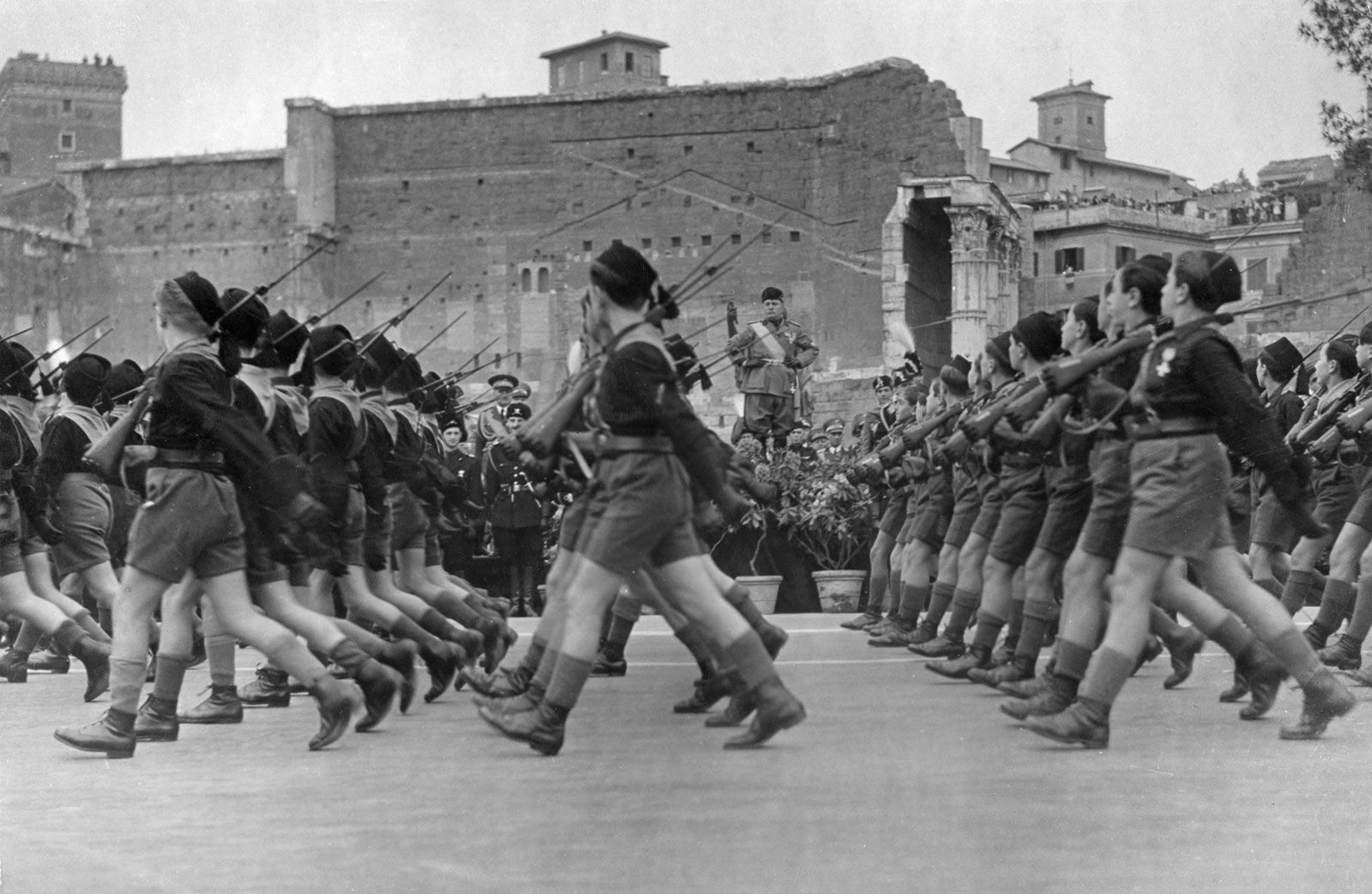
Disintegration is one of those words that seems to explain more than it does. We reach for it whenever an order that once felt permanent begins to loosen — an empire, a currency, a marriage, a self — and in reaching for it we smuggle in a whole metaphysics: that the thing in question was once integral, whole, one, and that wholeness was its natural state.
But wholeness is rarely natural. The nation-state, the object whose dissolution we mourn most loudly, is a few centuries old and was assembled, often violently, out of parts that did not ask to be joined. To call its unraveling “disintegration” is already to take a side. It is to treat the composite as the original and the fragment as the fall.1
The Grammar of Coming Apart
Consider the vocabulary. We speak of collapse, of fracture, of things falling apart — a single line of Yeats has become so load-bearing that it can hold almost any anxiety of the century.2 Each metaphor imports a physics. Collapse implies gravity and a center that fails. Fracture implies a material under stress. Falling apart implies that the parts were only ever held, never fused.
Sovereignty is not a possession but a performance — and performances can always be interrupted.
This matters because the political question is never simply whether a thing is coming apart, but who benefits from describing it that way. The language of disintegration is a resource. It licenses emergency. It flatters the strongman who promises to hold the pieces together, and it flatters, just as much, the secessionist who insists the pieces were never one.
If there is a lesson in the long history of orders that ended, it may be this: integration and disintegration are not opposites but the same process seen from different ends of time. What looks like decay from inside an institution can look, from far enough away, like composting — the necessary breakdown that returns nutrients to the soil.3 Aei thallon, the ancients said of the olive: ever flourishing, precisely because it is ceaselessly pruned.
-
On the manufactured antiquity of the state, the myth of 1648 is itself a nineteenth-century invention. ↩︎
-
W. B. Yeats, “The Second Coming” (1919), which has supplied more headlines than any other poem of its century. ↩︎
-
The composting metaphor is borrowed, with apologies, from ecology rather than political theory — which is rather the point. ↩︎